
Oregon snowpack 2026 is at historic lows. If you’ve glanced at the mountains lately and thought they look a little bare, you’re not imagining things. Oregon snow 2026 numbers are making headlines — and not the good kind. As of early February, Oregon’s snow is sitting at its lowest levels since records began in the early 1980s. For those of us living in the Willamette Valley, this isn’t just a story about skiing. It’s about water supply, agriculture, and wildfire risk that will shape our summer. For more detail, see our guide on flood insurance in Salem.

Oregon Snowpack 2026: The Numbers Are Stark
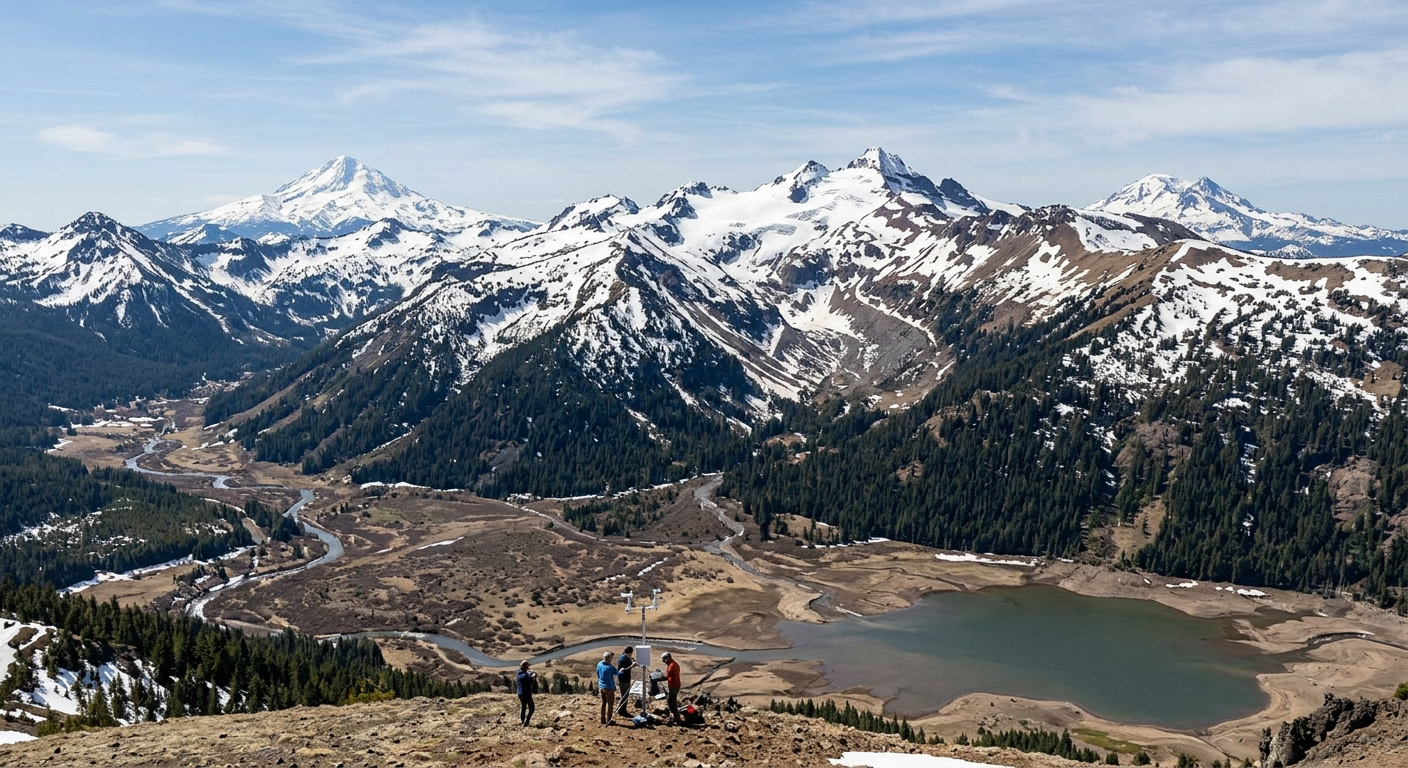
Let’s talk about what we’re looking at across the state. The Cascade snow is currently sitting below 50% of normal for this time of year. That’s about enough on its own, but when you zoom in on specific peaks, it gets worse. Mt. Hood, the mountain we can see from our backyards on a clear day, is hovering at roughly 19% of normal snow. That’s not a typo — nineteen percent.
According to the USDA Natural Resources Conservation Service (NRCS), which tracks snow data across the West, these numbers are well below anything we’ve seen in the modern record. The Oregon Water Resources Department has been closely monitoring the situation as well.
What Went Wrong This Winter
Two big factors got us here. First, much of the rain we received in December fell as rain rather than snow, even at higher elevations. When warm storms push through the Cascades, moisture that should be building our snow instead runs off as water immediately. It’s the difference between money in a savings account and money spent the moment you earn it.
Then January delivered a 16-day dry spell that left the mountains high and dry — literally. While Salem dealt with its typical gray skies, the mountains weren’t getting the storms they desperately needed. That combination of warm rain and extended dry weather has put us in a serious deficit heading into February.
Why Low Cascade Snowpack Matters to Salem
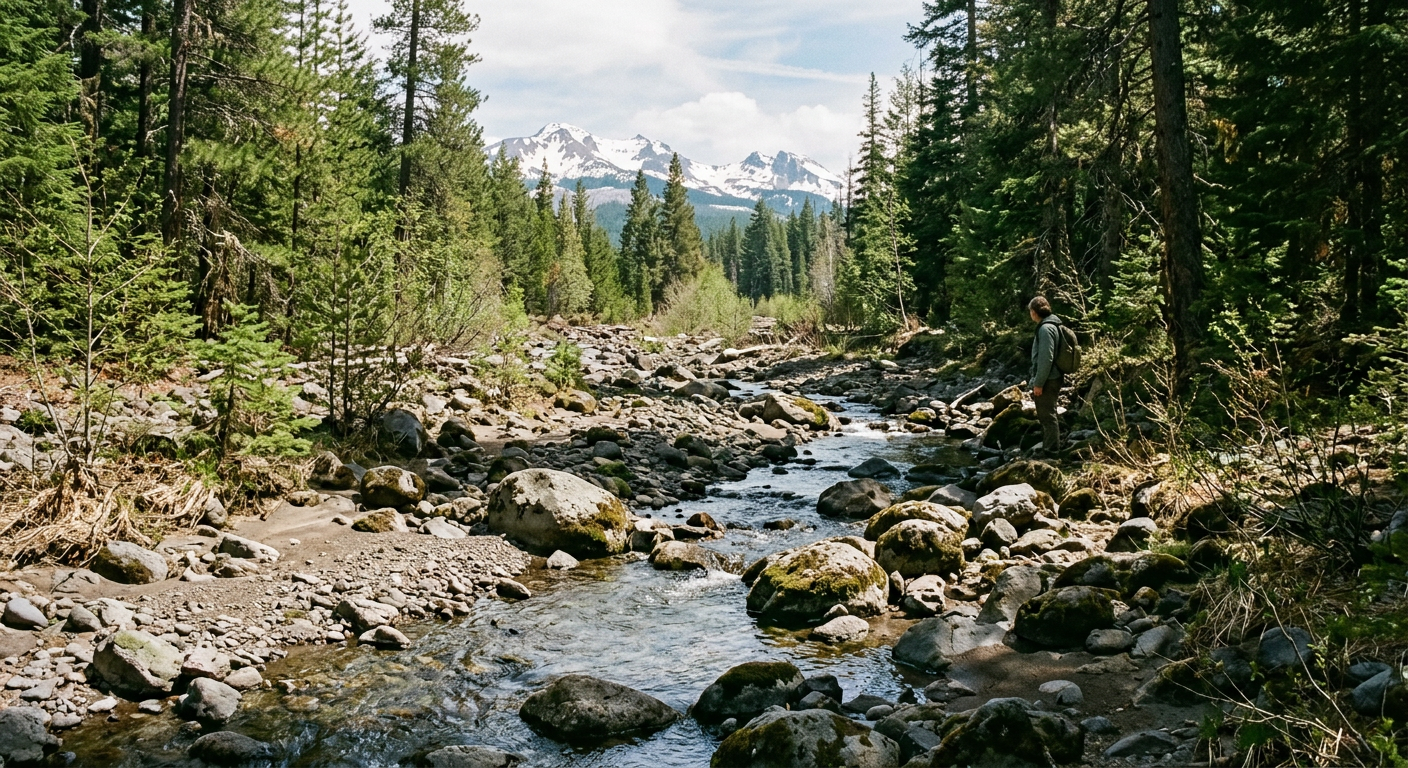
Snowpack is our natural water tower — and that’s exactly why what happens in the Cascades matters to all of us in the Willamette Valley. Those mountains collect snow all winter long, and as temperatures warm in spring and summer, that snow slowly melts and feeds our rivers and streams. The Willamette River, the North Santiam, the creeks that wind through our neighborhoods — they all depend on a healthy snow to keep flowing through the dry months.
For the farmers and growers across the Willamette Valley, snowmelt is essential. It feeds the irrigation systems that keep Oregon’s agricultural economy running. From grass seed to nursery stock to vineyards, our local farms rely on a steady water supply that starts as snow in the mountains.
And then there’s wildfire risk. When snow is low, forests dry out earlier in the season. Vegetation that would normally stay moist into July starts curing in May or June. That means a longer, more intense wildfire season — something Salem residents have experienced firsthand in recent years with smoke-filled skies and air quality warnings. Low Cascade snow this winter could translate directly into a tough Oregon wildfire season 2026.
Oregon Snowpack 2026: Is There Still Hope?
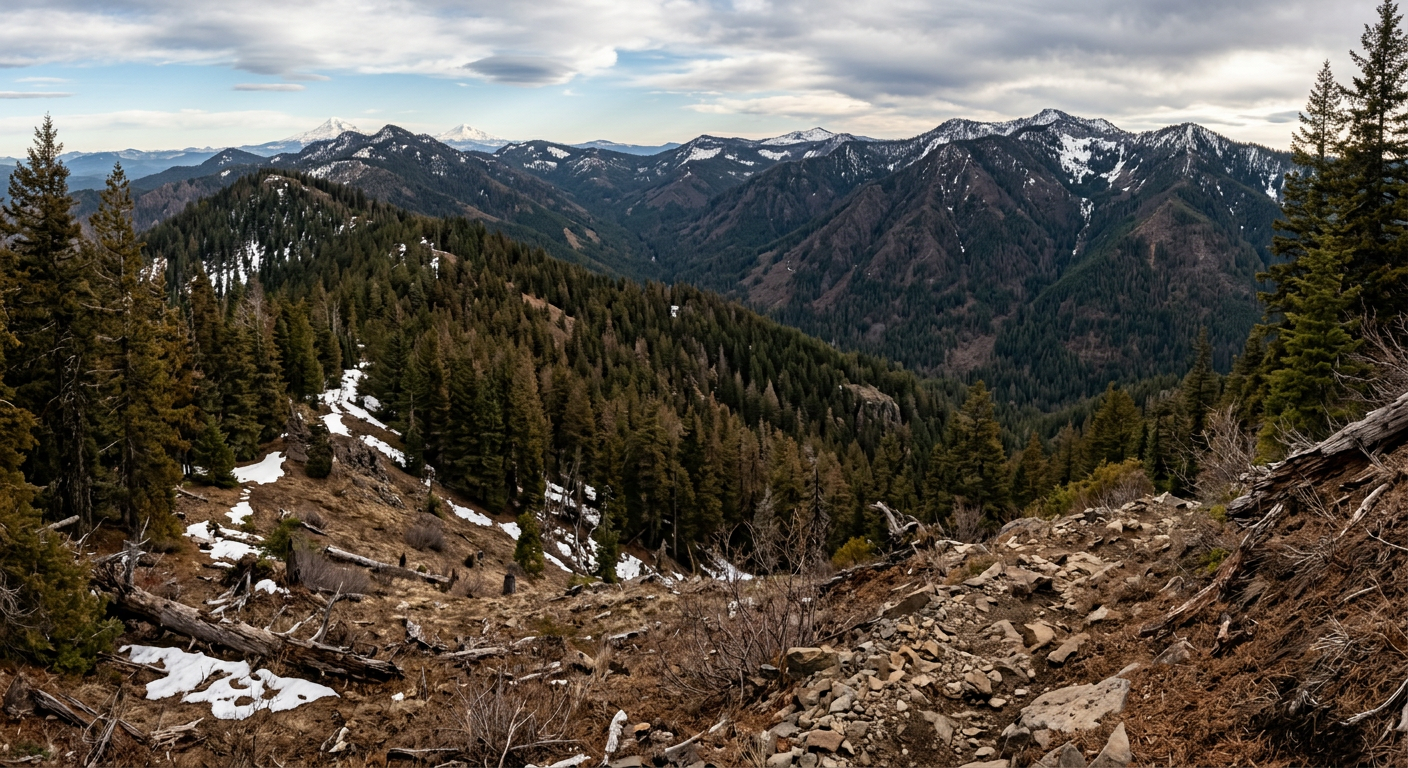
Oregon weather can change fast — and it often does. Peak snow in the Cascades typically doesn’t arrive until late March or early April. That means we still have several weeks of prime snowfall season ahead of us. A few solid storm systems rolling in off the Pacific could make a meaningful dent in the deficit.
That said, we’d need a remarkable run of cold, snowy weather to dig out of a hole this deep. NOAA’s Portland forecast office and state water managers are watching closely, but the honest assessment is that even a strong finish to winter probably won’t bring us back to normal. We’re playing catch-up from a long way behind.
What Salem Residents Can Do About Water Supply and Wildfire Risk
While we can’t control the weather, we can prepare for what a low-snow year might bring. Here are a few things worth thinking about as we head toward summer.
First, be mindful of water use. If the Salem water supply comes under pressure this summer, voluntary or mandatory conservation measures could follow. Simple steps like adjusting your irrigation schedule and fixing leaky faucets make a difference when multiplied across thousands of households.
Second, take wildfire preparedness seriously. If you haven’t created defensible space around your home, now is the time. Clear dry brush, clean your gutters, and make sure your landscaping isn’t creating a fire ladder to your roof. If you’re new to the area, our post on moving to Salem, Oregon and your complete insurance checklist covers a lot of ground on protecting your home.
Third, stay informed. Follow local water agencies and fire districts for updates as the season progresses. The situation can evolve quickly, and being aware of current conditions helps you make better decisions for your family and property.
A Quick Word About Coverage
Seasons like this are a good reminder to review your homeowners insurance and make sure your coverage reflects today’s risks — especially for wildfire coverage. If it’s been a while since you’ve looked at your policy, contact our office for a free insurance review. We’re always happy to help our neighbors make sure they’re protected.
Oregon Snowpack 2026: Looking Ahead to Summer
The Oregon snow 2026 situation is a reminder that we live in a region where weather patterns have real, tangible effects on daily life. From the Salem water supply to wildfire season, what happens in the Cascades doesn’t stay in the Cascades. We’re all connected to those mountains, whether we ski on them or not.
Let’s hope for a snowy March. In the meantime, let’s prepare like good neighbors do — together and ahead of time.
The information provided in this blog is for general educational purposes only and should not be considered as specific insurance advice. Coverage options, availability, and pricing vary by individual circumstances. For personalized guidance, contact our office at (503) 390-5343 or visit sammonsagency.com. Christian Sammons is a State Farm Insurance Agent — State Farm, Bloomington, IL.
What This Means for Salem Homeowners
Low snowpack doesn’t just affect ski resorts. It has direct consequences for homeowners in the Willamette Valley. As a result, it’s worth understanding the risks before summer hits.
First, wildfire risk goes up. Less snowpack means drier forests earlier in the season. Additionally, the foothills east and south of Salem become more vulnerable to fire. However, Salem proper is lower risk than many rural areas — but smoke season affects everyone’s air quality and property.
Furthermore, drought conditions can affect your home’s foundation. Dry soil shifts and settles, which can cause cracks. In fact, foundation damage from soil movement is one of the most common — and expensive — homeowner claims. Your standard policy may or may not cover it depending on the cause.
Because of this, it’s worth reviewing your homeowners coverage before summer arrives. Specifically, check whether you have adequate coverage for fire, water damage from pipe stress, and foundation issues.
How to Prepare Your Salem Home This Summer
There are practical steps you can take now. Here’s what local homeowners should be thinking about.
Review your irrigation. Water restrictions may come. Plan your landscaping accordingly. Additionally, consider drought-resistant native plants if you’re redoing the yard.
Create defensible space. If your property backs up to any wooded area, clear brush and dead vegetation within 30 feet of the house. In addition, trim trees so branches don’t hang over the roof.
Check your coverage. Earthquake damage and flood damage are NOT included in standard homeowners policies. Meanwhile, wildfire damage typically IS covered — but make sure your coverage limits are current with replacement costs, not just market value.
Also, Oregon’s SB 1540 wildfire discount program may save you money if your home qualifies for fire-hardening measures. It’s worth asking about.
Talk to Someone Local
If you’re not sure how drought conditions affect your specific coverage, call (503) 390-5343. Additionally, our team can do a quick review of your homeowners policy and flag any gaps before they matter. It takes about ten minutes and costs nothing. That’s what neighbors are for.
Furthermore, if you’ve been thinking about earthquake coverage, a dry year like this is a good reminder. The Cascadia subduction zone doesn’t care about snowpack levels. However, drought conditions can make foundation issues worse — and those intersect with earthquake vulnerability in older Salem homes.
Disclaimer: This article is for general informational purposes only and does not constitute legal, financial, or insurance advice. Coverage options, rates, and requirements may vary based on individual circumstances. Oregon insurance laws and regulations are subject to change. For personalized advice about your specific insurance needs, please contact a licensed insurance agent. Christian Sammons is a State Farm Insurance Agent licensed in Oregon, Washington, and California. State Farm, Bloomington, IL.
Leave a Reply