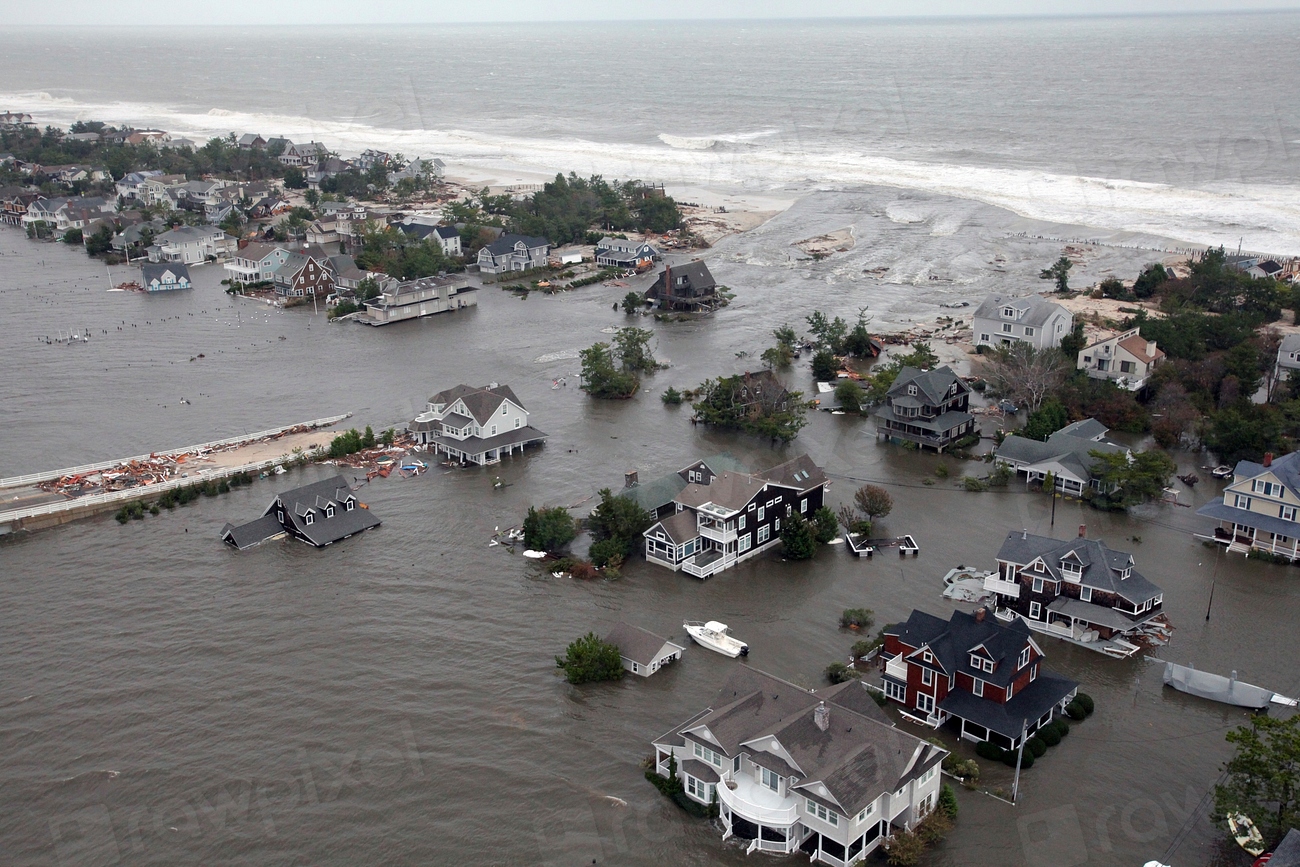
You bought your home in Salem. You’ve got homeowners insurance. You figure you’re covered — right? But when it comes to Salem Oregon flood insurance, most homeowners are missing a critical gap in their protection.
Here’s the part most people don’t realize until it’s too late: your homeowners insurance does not cover flood damage. Not one dollar. Not for the ruined floors, not for the destroyed furnace, not for the furniture you just finished paying off.
And if you’re thinking, “I’m not in a flood zone, so it doesn’t matter” — that’s exactly the thought that costs Salem families thousands of dollars every time the rains come.

That’s why Salem, Oregon flood insurance is something every homeowner needs to understand — before the water rises, not after. Let’s walk through what you actually need to know.
Does My Homeowners Insurance Cover Flooding?
No. This is the single biggest misconception in home insurance, and it catches people off guard every year.
Your standard homeowners policy covers a lot — fire, theft, wind damage, fallen trees. But when water rises from the ground up (that’s FEMA’s definition of a flood), your homeowners policy steps aside. It doesn’t matter if the water comes from the Willamette River backing up or Mill Creek overflowing after a heavy rain. If it’s a flood, you need a separate flood insurance policy.
This isn’t a gap in your coverage by accident. It’s how flood insurance has worked since the federal government created the National Flood Insurance Program (NFIP) back in 1968. The federal government handles flood risk separately because the potential for widespread damage is so high that private insurers historically wouldn’t touch it.
The good news: because the City of Salem participates in the NFIP, federally-backed flood insurance is available for every structure in the city — whether you’re in a flood zone or not.
Am I in a Flood Zone?
Maybe — and it might surprise you either way.
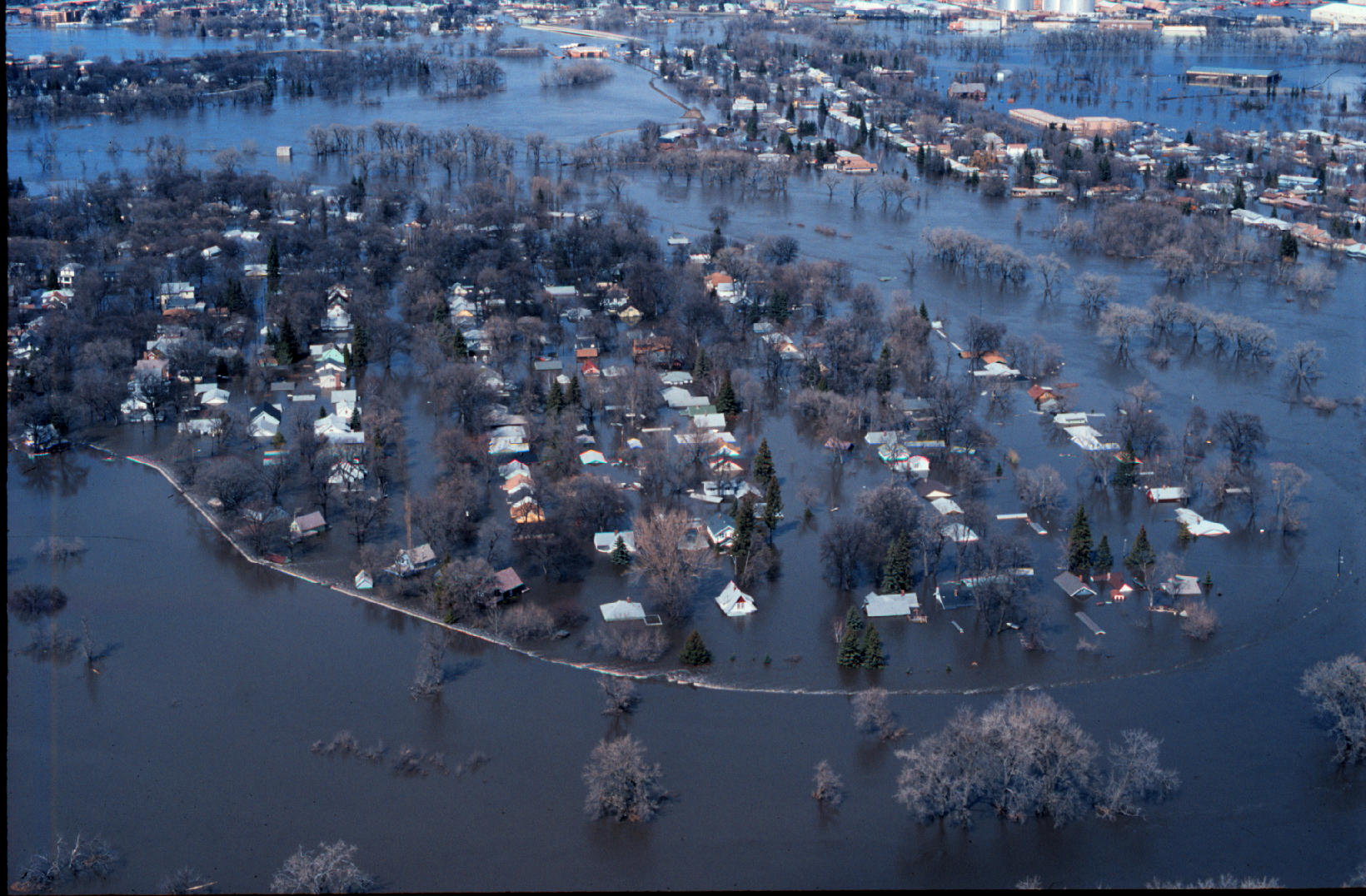
Salem has more than 4,000 acres of floodplain and roughly 3,000 individual parcels that sit partially or entirely within it. That’s a lot of homes.
The areas with the highest risk (designated Zone AE on FEMA maps) follow the major waterways through the city:
- The Willamette River corridor, including parts of West Salem near the riverfront and areas around Wallace Marine Park
- Mill Creek, running through the heart of central and south Salem
- Pringle Creek, winding through south Salem neighborhoods
- Battle Creek and Croisan Creek in the southern part of the city
You can check your own address on the City of Salem’s floodplain map or through FEMA’s Flood Map Service Center. Type in your address and you’ll see your flood zone designation.
Here’s what the zones mean:
- Zone AE: High risk. You’re in the 100-year floodplain. If you have a federally-backed mortgage, flood insurance is required.
- Zone A: Also high risk, but without detailed elevation data mapped yet.
- Zone X (shaded): Moderate risk. The 500-year floodplain. Insurance isn’t required, but it’s smart.
- Zone X (unshaded): Minimal risk. But “minimal” doesn’t mean “zero.”
Here’s something most people don’t know: over 25% of all NFIP flood claims come from properties outside high-risk zones. Living in Zone X doesn’t mean you’re safe. It means you’re less likely to flood — not that you won’t.
Why Does Salem Flood So Often?
Salem sits in the heart of the Willamette Valley, and flooding isn’t some rare, once-in-a-lifetime event here. It’s happened repeatedly, and it will happen again.
There are three main reasons Salem floods:
High river levels. When heavy rain or snowmelt raises the Willamette River, it causes the smaller creeks that flow into it to back up. Water that normally drains into the river has nowhere to go, and neighborhoods along those creeks flood.
Heavy local rainfall. In January 2012, parts of south Salem received more than nine inches of rain in just five days. That overwhelmed Mill Creek, Pringle Creek, Battle Creek, and Croisan Creek. Dozens of streets were closed. Homeowners were sandbagging and pumping water out of their basements.
Urban drainage limits. Salem’s stormwater system can handle a lot, but not everything. When intense rainfall exceeds what the drains can move, water pools in low spots — sometimes in neighborhoods that aren’t anywhere near a creek.
Salem’s flood history is longer than most people realize:
- 1964: A 100-year flood event caused $71 million in damages. Three hundred houses in north Salem were flooded. Municipal sewage plants were destroyed.
- February 1996: One of the worst floods on record for the Willamette Valley. Widespread damage across Marion County.
- January 2012: The most recent major event. The Willamette crested at 29.42 feet. Flooding hit neighborhoods across south and central Salem.
The pattern is clear: Salem floods. The question isn’t if, but when. If you’re new to the area and still building out your coverage, our Salem insurance checklist for new residents is a good place to start.
How FEMA’s Risk Rating 2.0 Changed the Equation
What changed the calculation for many Salem homeowners is FEMA’s Risk Rating 2.0, which rolled out nationally in 2021. Under the old system, flood insurance rates relied heavily on flood zone maps — if you weren’t in Zone AE, your premium was often low regardless of your actual risk. Risk Rating 2.0 replaced that with a property-by-property analysis: FEMA now factors in your home’s distance to the nearest water source, its elevation, the frequency of flooding at your specific address, and your home’s replacement cost. The result is that some Zone X homeowners who felt safe from high premiums saw their rates rise, while some Zone AE properties in lower-risk positions within the floodplain saw rates stabilize. The takeaway: flood zone designations still matter, but they no longer tell the whole story.
How Much Does Flood Insurance Cost in Salem, Oregon?
Less than most people expect. Salem Oregon flood insurance through the NFIP averages about $87 per month — far less than the out-of-pocket cost of a single flood event.
The average NFIP flood insurance policy in Salem costs about $1,044 per year — roughly $87 per month. That’s based on FEMA’s Risk Rating 2.0 pricing as of late 2025.
Your actual cost depends on your property’s location and how it was built — specifically, the replacement cost and how close it sits to flood-prone water. A home on higher ground far from a creek will pay much less than one right along Mill Creek.
For context, the national average is about $898 per year, and the Oregon statewide average is $1,184 per year. Salem falls right in between.
Zone AE vs. Zone X: What You’ll Actually Pay
Your flood zone makes a significant difference in what you’ll pay. Here’s a general comparison for a typical Salem single-family home under NFIP:
- Zone AE (high risk): $1,200–$2,500+ per year, depending on your home’s elevation relative to the base flood elevation. Homes with finished basements or those sitting directly along Mill Creek or the Willamette River tend toward the higher end.
- Zone X shaded (moderate risk): $400–$900 per year. These homes sit in the 500-year floodplain. No mandatory purchase requirement, but the risk is real — and the rates are manageable.
- Zone X unshaded (minimal risk): $300–$600 per year. At that price, there’s almost no reason not to carry a policy.
Private flood insurance frequently beats NFIP rates by 20–50%, especially for Zone X properties. That’s one reason comparing both options before committing makes sense.
Here’s what the NFIP covers:
Building coverage (up to $250,000):
– Electrical and plumbing systems
– Furnaces and water heaters
– Built-in appliances (refrigerators, stoves, dishwashers)
– Permanently installed carpeting and cabinets
– Foundation walls and staircases
Contents coverage (up to $100,000):
– Furniture, clothing, and electronics
– Washer and dryer
– Portable air conditioners
– Valuables like artwork (up to $2,500)
You purchase building and contents coverage separately, each with its own deductible.
What flood insurance does NOT cover:
– Temporary living expenses if you’re displaced
– Vehicles
– Landscaping, decks, fences, or patios
– Finished basement improvements beyond basic systems
– Currency or precious metals
Source: FloodSmart.gov, FloodPrice.com
How to Lower Your Flood Insurance Cost in Oregon
There are several proven ways to reduce your flood insurance premium — whether you’re on the NFIP or a private policy.
Take advantage of Salem’s 35% CRS discount. Salem holds a Class 3 rating in FEMA’s Community Rating System — the highest in Oregon and in the top one percent of participating communities nationwide. If you carry an NFIP policy in Salem, you automatically receive a 35% discount on your premium. This discount is already factored into current NFIP billing, but if you’re comparing Salem’s rates to other Oregon cities, this is why Salem’s average is lower than you might expect.
Get an Elevation Certificate. Under Risk Rating 2.0, elevation certificates are no longer required to purchase flood insurance, but they can still lower your premium by documenting your home’s elevation relative to the base flood elevation. If your home sits higher than FEMA’s baseline, the savings can be significant. Your agent can tell you whether one is worth the cost for your property.
Install flood openings. Flood vents in enclosed areas like crawl spaces allow water to flow through rather than build up pressure against foundation walls. FEMA recognizes properly engineered flood openings as a rating factor that can reduce premiums.
Choose a higher deductible. Raising your deductible reduces your annual premium. This works best if you have savings to cover the higher out-of-pocket cost in a claim.
Compare NFIP and private carriers. Private flood insurance frequently beats NFIP rates by 20–50%, especially for properties in moderate- and low-risk zones. A local agent can quote both side by side.
Should I Get NFIP or Private Flood Insurance?
When it comes to Salem Oregon flood insurance, you have two main options, and comparing them is worth your time.
The NFIP is the federal program run by FEMA. Every agent who sells NFIP policies uses the same rates — so you don’t need to shop around for price. It’s the standard, reliable option. The biggest limitation is the coverage cap: $250,000 for the building and $100,000 for contents. If your home is worth more than that, you’ll have a gap.
The NFIP also cannot non-renew your policy. As long as you pay your premium, you’re covered. That’s a real advantage in a high-risk area.
Private flood insurance is sold by private companies and often costs 20% to 50% less than the NFIP for the same property. Private carriers can also offer higher coverage limits, replacement cost coverage for contents, and loss-of-use coverage (paying for a hotel while repairs happen) — none of which the NFIP provides.
The trade-offs: private carriers can choose not to renew your policy. Some lenders may not accept private flood policies (though this is becoming less common). And private carriers may not be available in the highest-risk areas.
The smartest move is to compare both options side by side. As a local Salem Oregon flood insurance resource, we do that comparison every day for homeowners across the area.
What Happens If I Wait Too Long?
This is the part that trips people up.
NFIP flood policies have a 30-day waiting period before coverage kicks in. You can’t buy a policy when you see a storm on the forecast and expect coverage by the time it hits. Private policies sometimes have shorter waiting periods (10-14 days), but none of them are instant.
If you wait until flood season — or worse, until water is already rising — it’s too late. And once the damage is done, there’s no going back.
Think about what an uninsured flood actually looks like: waterlogged drywall, destroyed flooring, a furnace that needs full replacement. Your belongings — gone. The average flood claim through the NFIP is over $50,000. Even just one inch of water in your home can cause more than $25,000 in damage.
Now imagine covering that out of pocket because you didn’t have a policy that costs $87 a month.
Consider a scenario we’ve seen play out in the Salem area: a homeowner in a Zone X property near Pringle Creek decides to skip flood insurance because the zone designation feels safe and the premium feels unnecessary. A heavy January rain pushes the creek over its banks. The family returns home to six inches of water in their finished basement — ruined flooring, a destroyed water heater, damaged drywall. The total repair bill exceeds $28,000. Their homeowners insurance doesn’t cover a cent of it because it’s flood damage. A flood policy would have cost them under $500 that year. The 30-day waiting period means there’s no option to retroactively buy coverage once the damage happens. That’s the scenario flood insurance exists to prevent.
Getting Salem Oregon Flood Insurance: Three Simple Steps
Here’s the straightforward part. Three steps:
Step 1: Check your flood risk. Use the City of Salem floodplain map or FEMA’s map tool to look up your address. Or just call us — we’ll look it up for you in about two minutes.
Step 2: Compare your options. We’ll quote both NFIP and private flood insurance for your property so you can see the costs and coverage side by side. No pressure, no guessing.
Step 3: Get covered before the rains come. With the 30-day waiting period, the best time to buy flood insurance is well before you think you’ll need it. Don’t wait for October.
As a State Farm Insurance Agent, Christian Sammons has helped Salem families protect their homes for over 24 years. Flood insurance is one of those things that feels like it can wait — until it can’t. If you’re not sure whether you need it, that’s exactly the right time to have the conversation.
Call us at (503) 390-5343. We’ll check your flood risk and walk through your options so your family is protected before the next storm.
Christian Sammons is a State Farm Insurance Agent serving Salem and the greater Marion County area. His office is located in Salem, Oregon. Learn more about coverage options in Marion County or explore our complete guide to homeowners insurance in Salem. If you’re new to the area, check out our insurance checklist for new Salem residents.
Related Reading
Start a quote online at sammonsagency.com or call (503) 390-5343.
Disclaimer: This article is for general informational purposes only and does not constitute legal, financial, or insurance advice. Coverage options, rates, and requirements may vary based on individual circumstances. Oregon insurance laws and regulations are subject to change. For personalized advice about your specific insurance needs, please contact a licensed insurance agent. Christian Sammons is a State Farm Insurance Agent licensed in Oregon, Washington, and California. State Farm, Bloomington, IL.
Leave a Reply