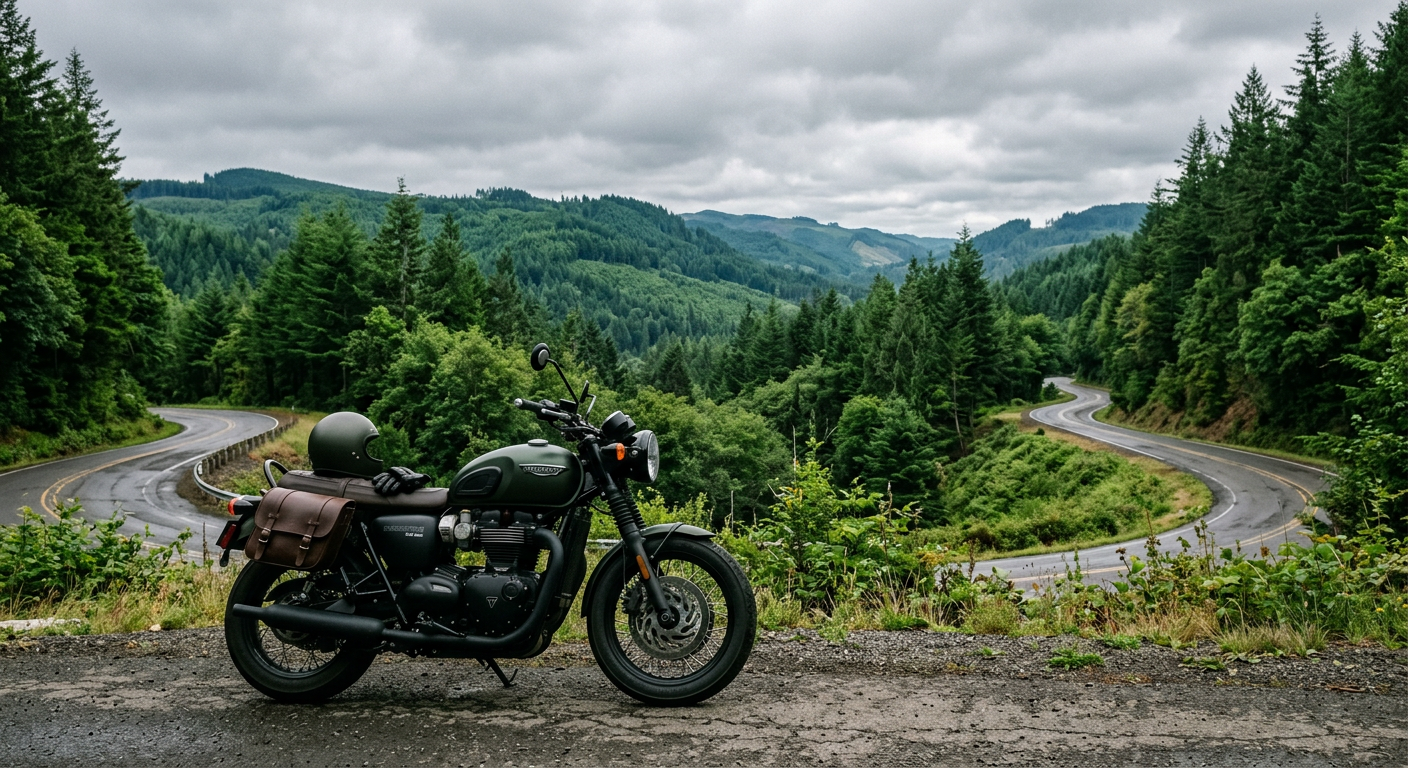
If you ride in Salem, you already know how good it feels to get on the bike when the sun comes out. What you need before you head out is solid motorcycle insurance Salem Oregon riders can actually count on. It’s the law — and it matters a lot more than most people think until something goes wrong.
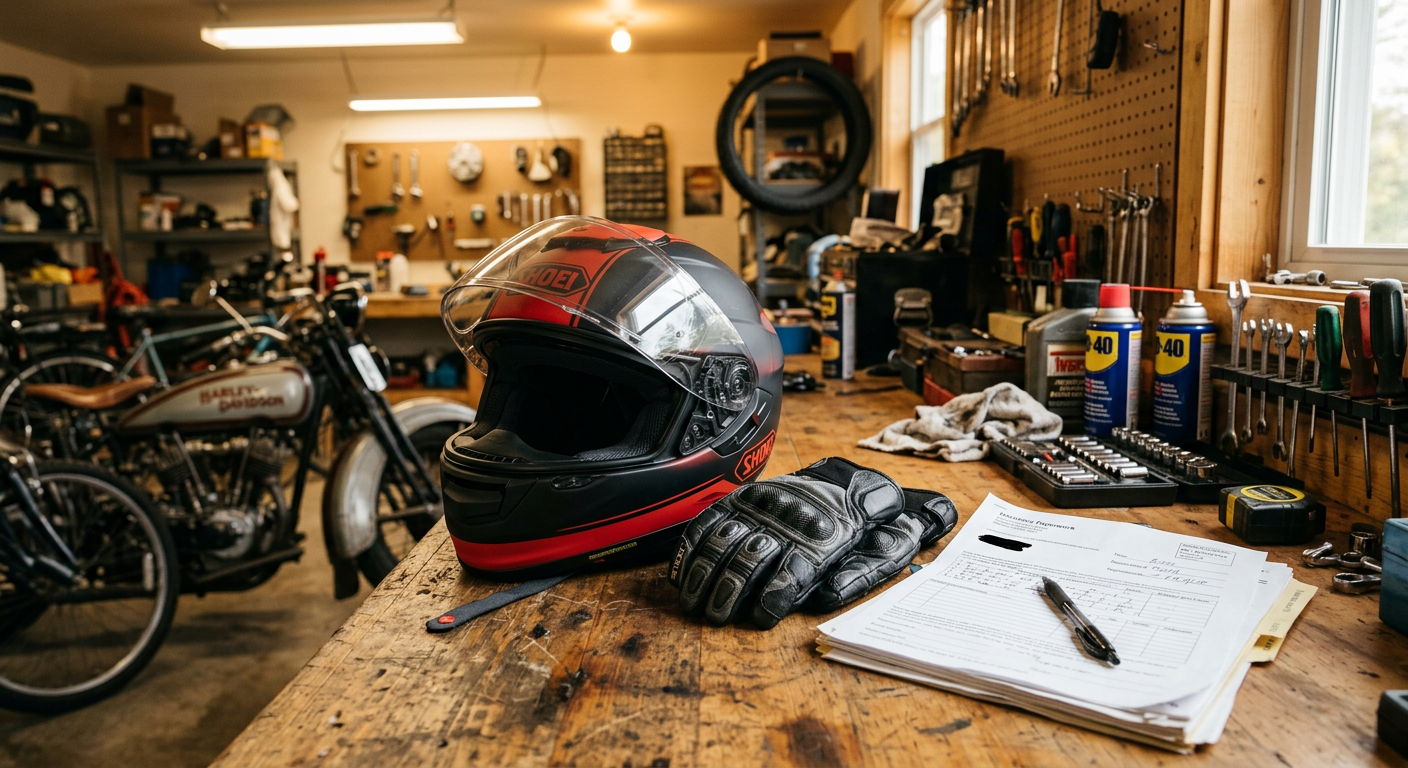
The good news: basic coverage starts as low as $17/month. The better news: you have options. Oregon riders have access to the same types of coverage as car owners — liability, collision, comprehensive, uninsured motorist, and more — but a motorcycle policy is its own thing. It’s not an add-on to your car insurance, and the details matter.
This guide covers what Oregon requires, what a policy actually does for you, and what local riders in the Willamette Valley should know before getting on the road.
What Oregon Requires for Motorcycle Insurance
Oregon law (ORS 742.520) requires the same minimum liability limits for motorcycles as for passenger cars. You must carry:
- $25,000 bodily injury per person
- $50,000 bodily injury per crash
- $20,000 property damage
- Uninsured motorist coverage (UM/UIM)
That last one — uninsured motorist — is not optional in Oregon. It’s there because not everyone on the road carries insurance. If an uninsured driver hits you, your UM coverage pays your medical bills and other damages. On a motorcycle, where you’re more exposed than a car driver, that coverage carries real weight.
Oregon also requires all riders to wear a helmet. That’s ORS 814.269 — it applies to every rider and passenger, regardless of age or experience. No exceptions.
The state minimums are a floor, not a ceiling. Most riders end up wanting more. Here’s what’s available.
Coverage Types Explained
Liability covers damage you cause to someone else. If you rear-end a car or hit a pedestrian, liability pays for their injuries and property damage. It does not cover your own bike or your own medical bills.
Collision pays to repair or replace your motorcycle if you hit something — a car, a guardrail, a pothole. It doesn’t matter who was at fault.
Comprehensive covers theft, fire, vandalism, and weather damage. If your bike gets stolen from your driveway or a hailstorm hits it in the parking lot, comprehensive is what pays.
Uninsured/Underinsured Motorist (UM/UIM) protects you when the driver who hit you has no insurance — or not enough. Given how many uninsured drivers are on Oregon roads, this coverage is worth having at reasonable limits, not just the legal minimum.
Medical Payments (MedPay) covers your medical bills after a crash, regardless of fault. Personal Injury Protection (PIP) — which is required for cars in Oregon — is optional for motorcycles. MedPay fills a similar role and is worth considering, especially if your health insurance has a high deductible.
Gear and Accessory Coverage
Your gear is expensive. A good helmet alone can run $300–$600. Add a jacket, gloves, and boots and you’re easily over $1,000 in riding gear before you even consider your luggage or custom parts.
Some motorcycle policies include gear coverage as part of the base policy. Others offer it as an add-on. What’s typically included:
- Helmet, jacket, gloves, and boots damaged or destroyed in a covered crash
- Custom parts and accessories installed on the bike
- Saddlebags, fairings, and other aftermarket additions
What usually costs extra: coverage for gear that wasn’t involved in a crash (just lost or stolen), and coverage for very high-end customizations beyond the standard policy limits. Ask about the specifics when you’re comparing policies — gear coverage limits vary a lot by carrier.
Roadside Assistance for Riders
Running out of gas on 22 heading toward the Santiam Canyon is not the same experience as running out of gas in a car. Roadside assistance for motorcycles covers towing, fuel delivery, battery jumps, and lockout service.
Some carriers include it. Others make it an optional add-on for a few dollars a month. If you ride regularly — especially on longer routes in the Willamette Valley or into the Cascades — it’s worth having. The cost is low and the peace of mind is real.
Seasonal Storage: Handling Insurance When You’re Not Riding
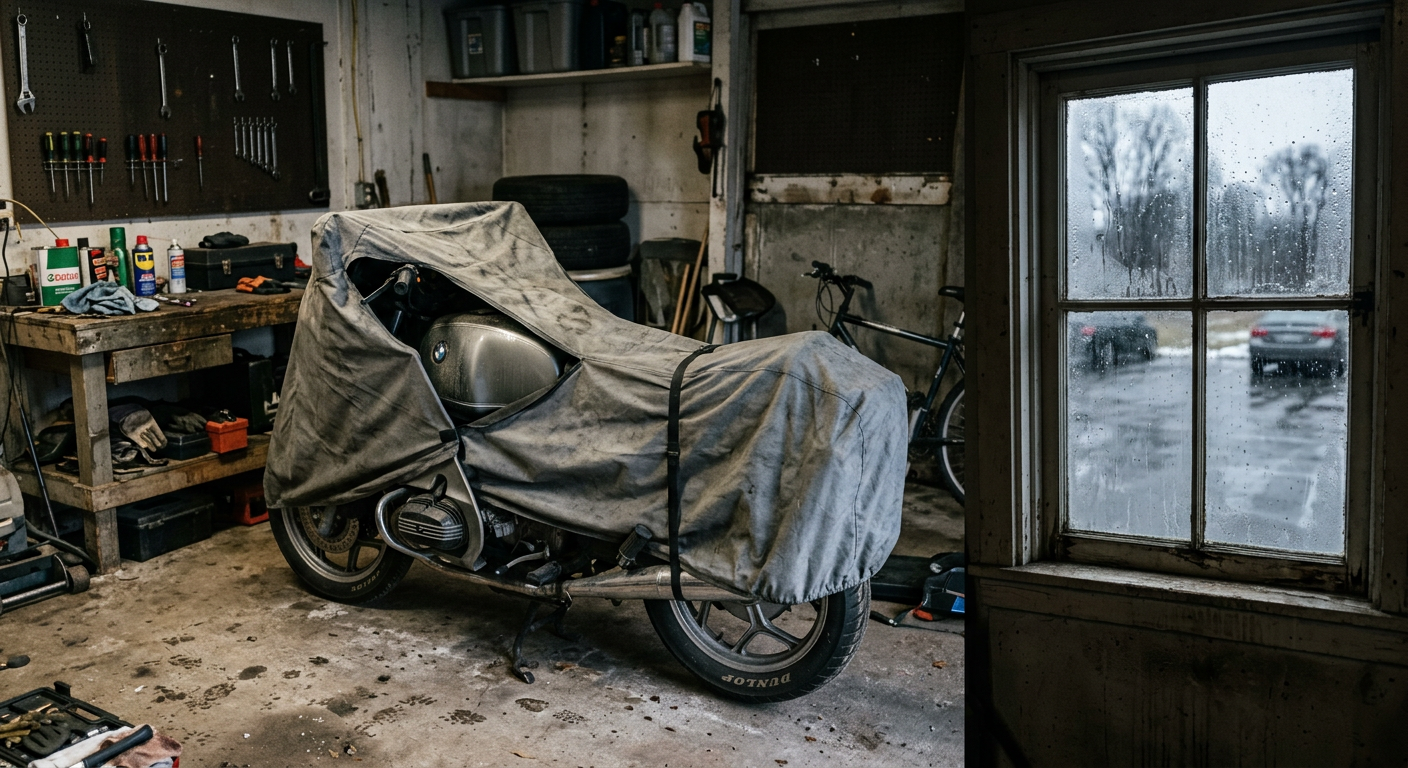
Oregon’s riding season runs roughly April through October for most people, though plenty of Salem riders push through the shoulder months. When the bike goes into storage for the winter, you have options.
You can drop collision and liability while the bike is stored and keep comprehensive only. This protects against theft, fire, and weather while cutting your monthly cost significantly. Just make sure you restore full coverage before you ride again — not the day of, but before.
A few things to keep in mind:
- If you have a loan on the bike, your lender likely requires you to keep full coverage year-round
- Canceling and restarting a policy every year can cost more than a reduced storage rate
- Talk to your agent before making changes — it takes five minutes and can save you from a gap in coverage
What Affects Your Motorcycle Insurance Rate
Your premium depends on several factors. Some you control. Some you don’t.
Bike type and engine size. Sport bikes with large engines cost more to insure than cruisers or standard bikes. High-performance bikes carry more risk — statistically, they’re involved in more serious crashes.
Your riding experience. New riders pay more. The more years you’ve been licensed and riding without incidents, the lower your rate.
Your age. Younger riders (especially under 25) pay higher premiums. Rates tend to drop as experience builds.
Your location. Salem and the broader Willamette Valley are generally lower-cost areas compared to Portland metro. Urban density, traffic volume, and theft rates all factor in.
Your claims history. At-fault accidents and moving violations raise rates. A clean record keeps them down.
Safety courses. Completing an approved motorcycle safety course — like an MSF course — can earn a discount. Oregon has several options. It’s worth asking about when you shop for coverage.
Bundling. If you already have car insurance in Salem, adding your motorcycle to the same carrier can reduce your overall cost. Similarly, bundling home and auto insurance in Salem with your bike policy is one of the easier ways to lower your premiums without dropping coverage.
Riding in Salem and the Willamette Valley
Salem riders have access to some genuinely good routes. Highway 22 into the Santiam Pass. The back roads through the wine country near Amity and McMinnville. Highway 20 toward the coast. The valley is flat enough to be easy and close enough to the mountains and coast to make day trips worth it.
The riding season here starts later than Southern California and ends earlier. April and May can be wet. Fall usually brings some of the best riding weather of the year — cool, clear, dry. Summer is the obvious peak.
Weather in the valley can shift quickly. If you’re riding the passes in spring or fall, conditions that start fine can turn icy above 3,000 feet. The Cascades hold snow late. Plan accordingly.
One thing Salem riders mention often: deer. The rural roads around Marion and Polk counties are active deer corridors, especially at dawn and dusk. Comprehensive coverage helps here — a collision with an animal is typically a comp claim, not collision.
How Much Does Motorcycle Insurance Cost in Oregon?
Here’s what riders in the Salem area typically pay:
- Basic liability only: $17–$40/month ($200–$500/year)
- Full coverage (liability + collision + comprehensive): $50–$100/month ($600–$1,200/year)
These are ranges. A 45-year-old on a cruiser with a clean record paying for basic liability will be closer to $17. A 22-year-old on a sport bike with a recent ticket paying for full coverage will be at the higher end or above it.
If you still owe money on the bike, your lender will require full coverage. That’s standard. If the bike is paid off and older, liability-only might be all you need — but talk through it before you decide. The math on whether to carry comp and collision depends on the bike’s current value versus what you’d pay in premiums.
Frequently Asked Questions
Do I need motorcycle insurance if I only ride occasionally?
Yes. Oregon law requires it any time the bike is registered and you’re on public roads. Occasional riding doesn’t change the requirement.
Does my car insurance cover my motorcycle?
No. Motorcycles need their own policy. Your auto policy does not extend to a bike, even if it’s registered in your name.
What happens if I’m in an accident with an uninsured driver?
That’s what your UM/UIM coverage is for. It pays your medical bills and damages when the at-fault driver has no insurance or not enough. Oregon requires you to carry it — but many riders carry more than the minimum for exactly this reason.
Can I insure a motorcycle I’m storing but not riding?
Yes. A storage-only or comprehensive-only policy keeps you covered against theft and weather damage while the bike is off the road. It costs less than full coverage and makes more sense than canceling entirely.
If you want to sort out the insurance question while you’re at it, Christian Sammons has been on Portland Road for 24 years. His team is bilingual. You can call (503) 390-5343 or go to sammonsagency.com — they’ll give you a straight answer.
Also worth reading: driving without insurance in Oregon.
Disclaimer: This article is for general informational purposes only and does not constitute legal, financial, or insurance advice. Coverage options, rates, and requirements may vary based on individual circumstances. Oregon insurance laws and regulations are subject to change. For personalized advice about your specific insurance needs, please contact a licensed insurance agent. Christian Sammons is a State Farm Insurance Agent licensed in Oregon, Washington, and California. State Farm, Bloomington, IL.
Leave a Reply